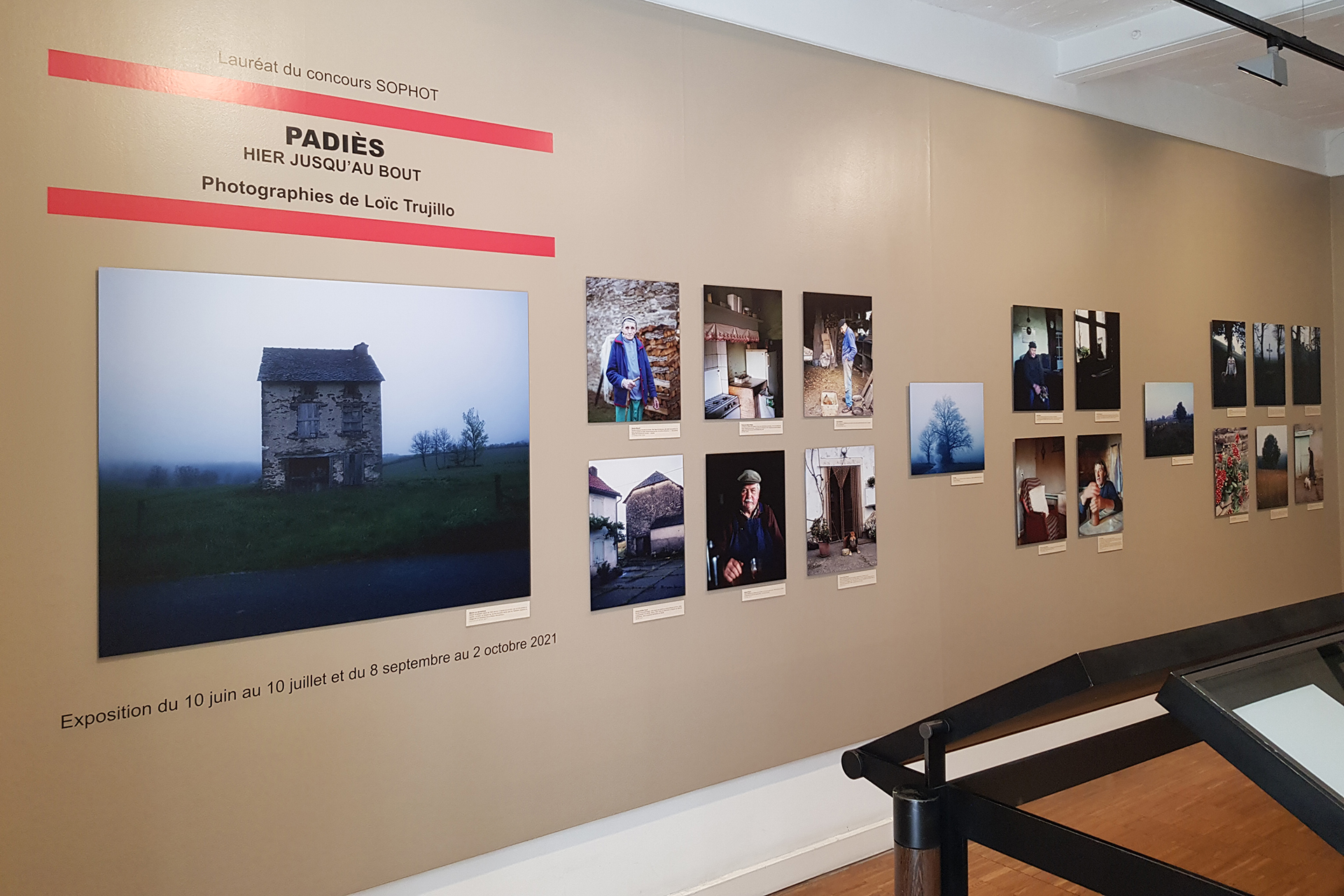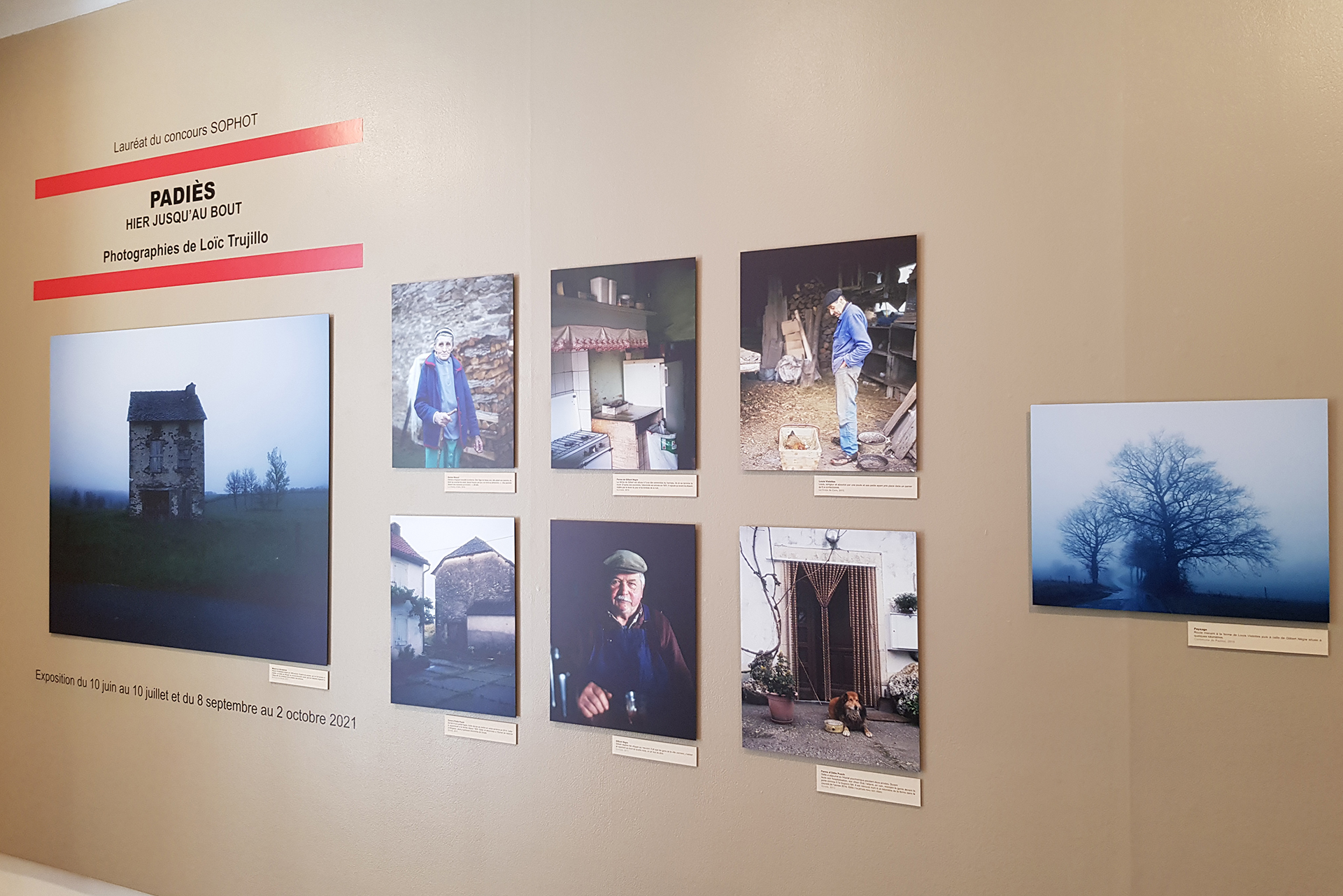

Lauréat du Prix SOPHOT 2020
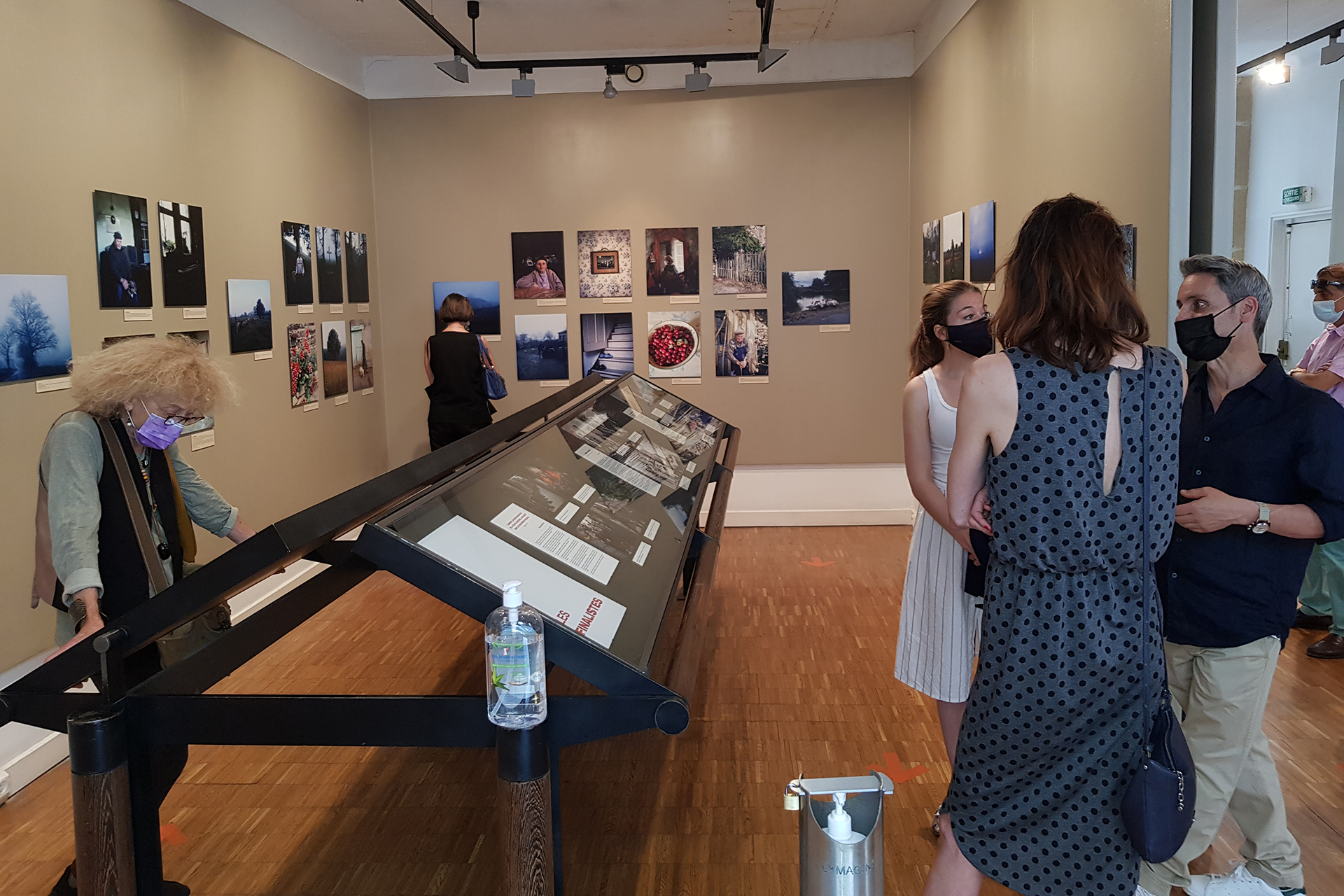
Masque et mesures barrières obligatoires !
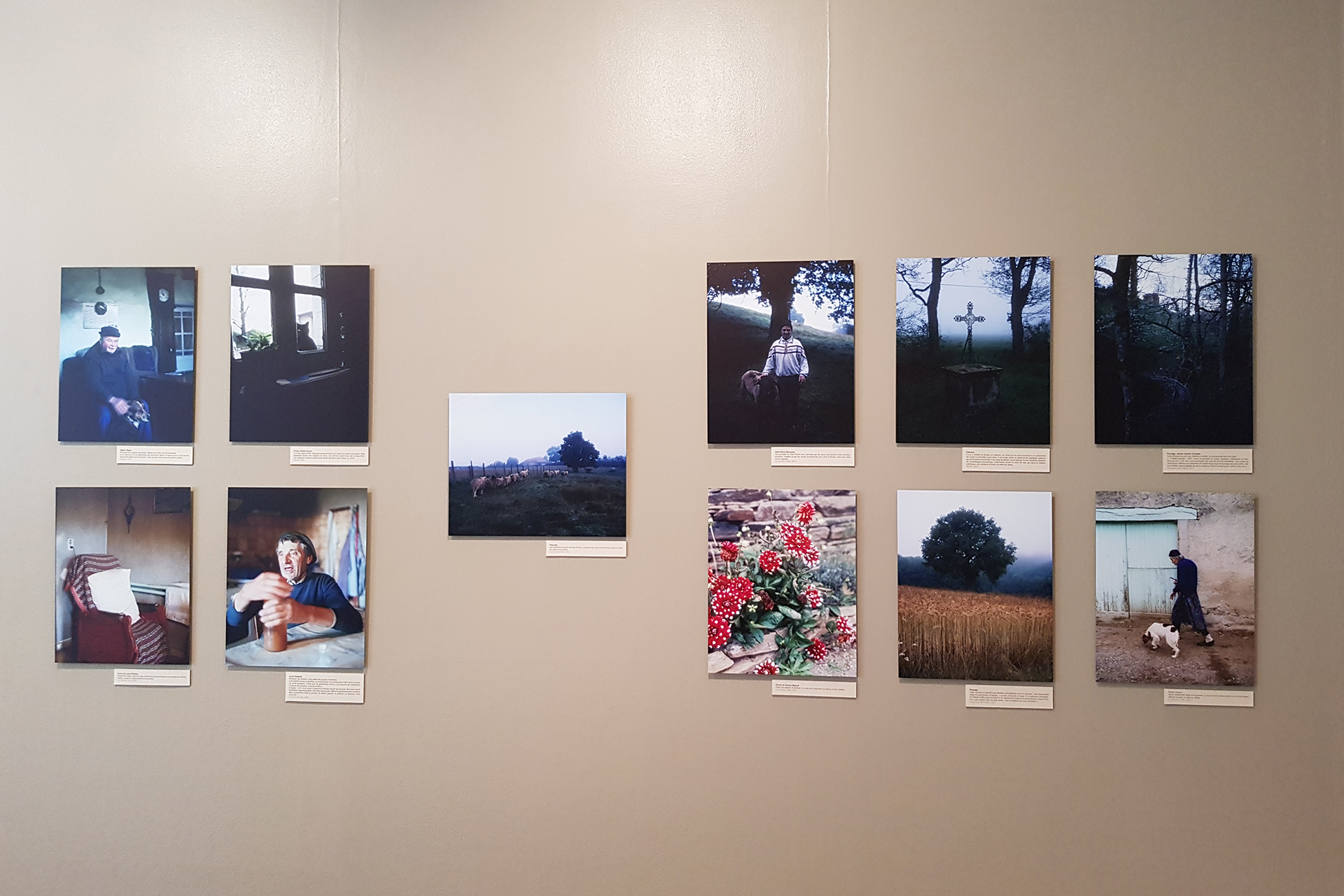
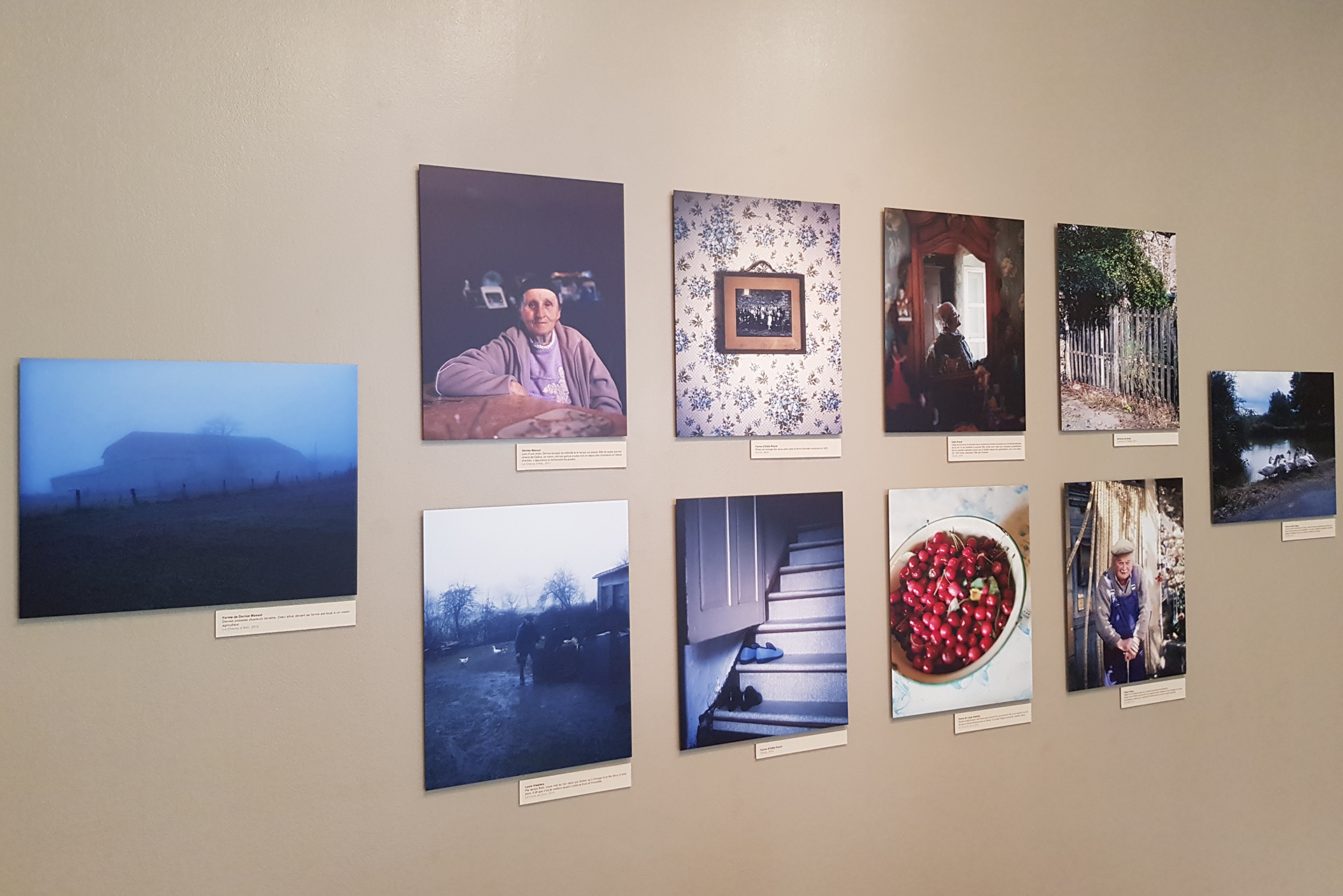
Exposition : 08/09/2021 au 02/10/2021
Du mercredi au samedi de 13h30 à 18h30
Galerie FAIT & CAUSE
58 rue Quincampoix, 75004 Paris - Tél. +33 (0)142742636
Dossier de presse
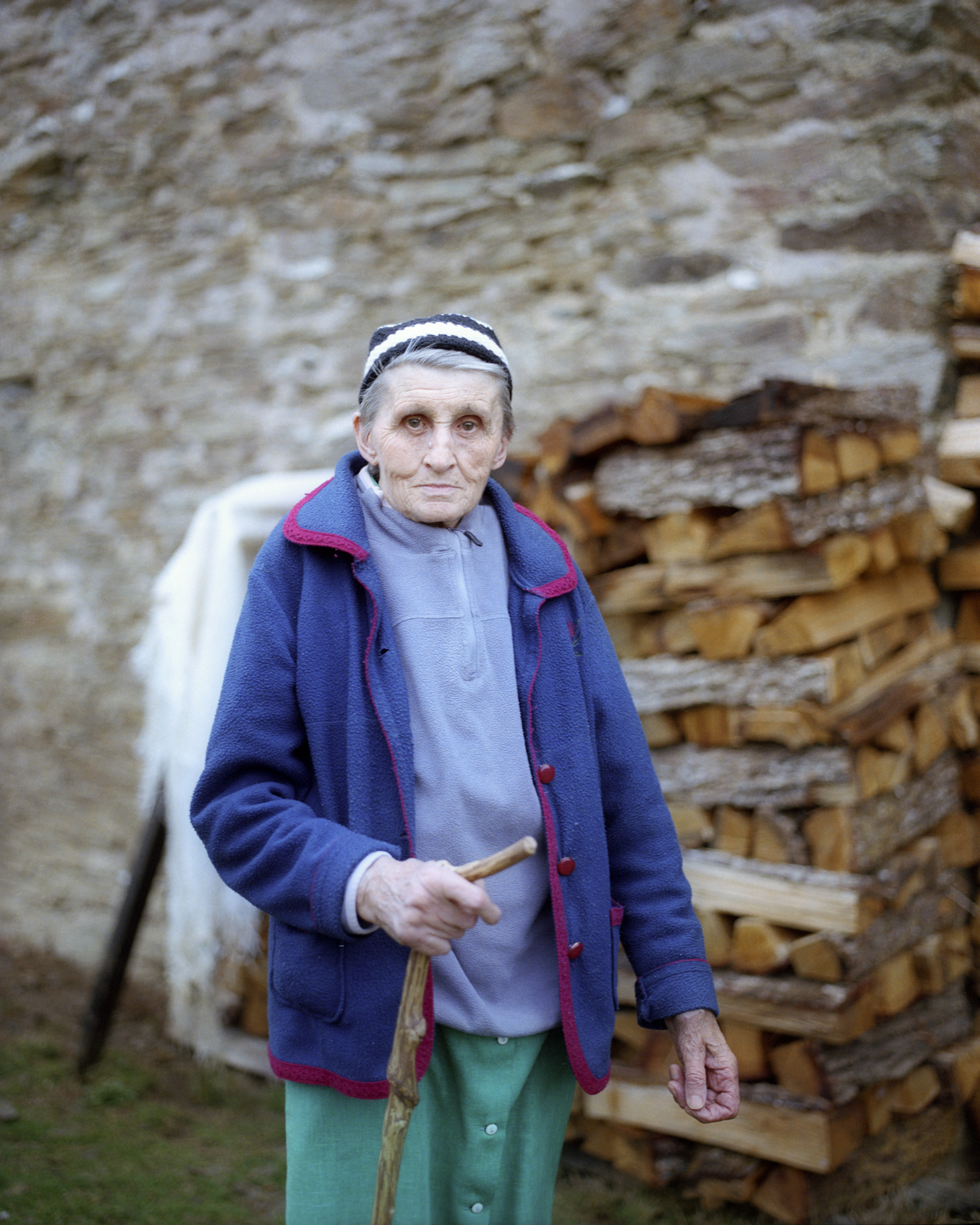
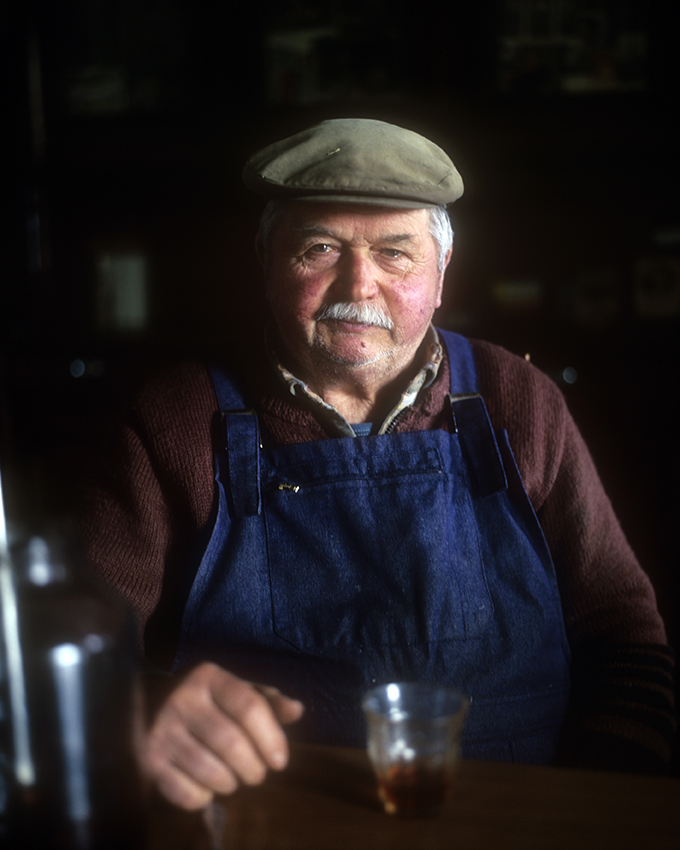
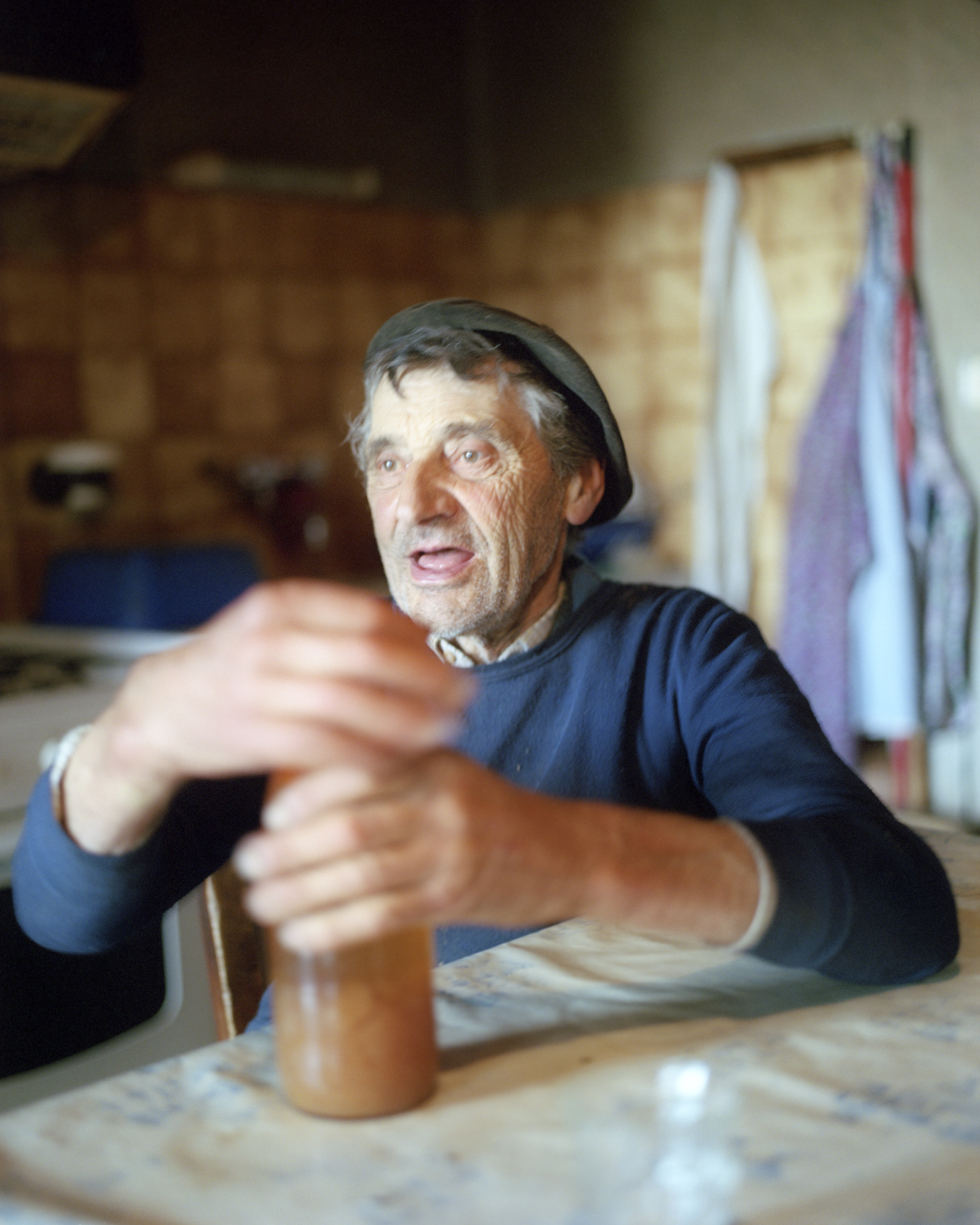
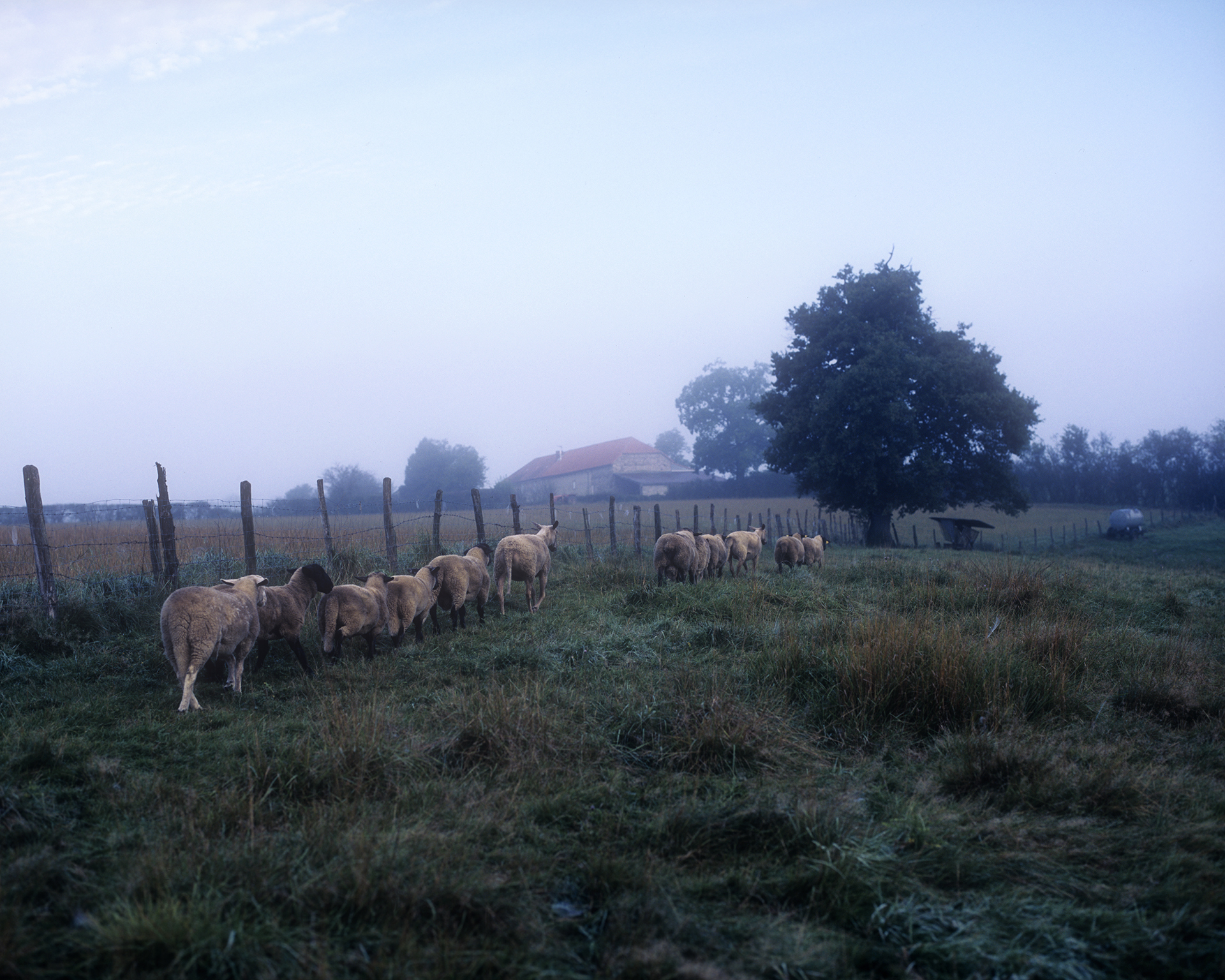
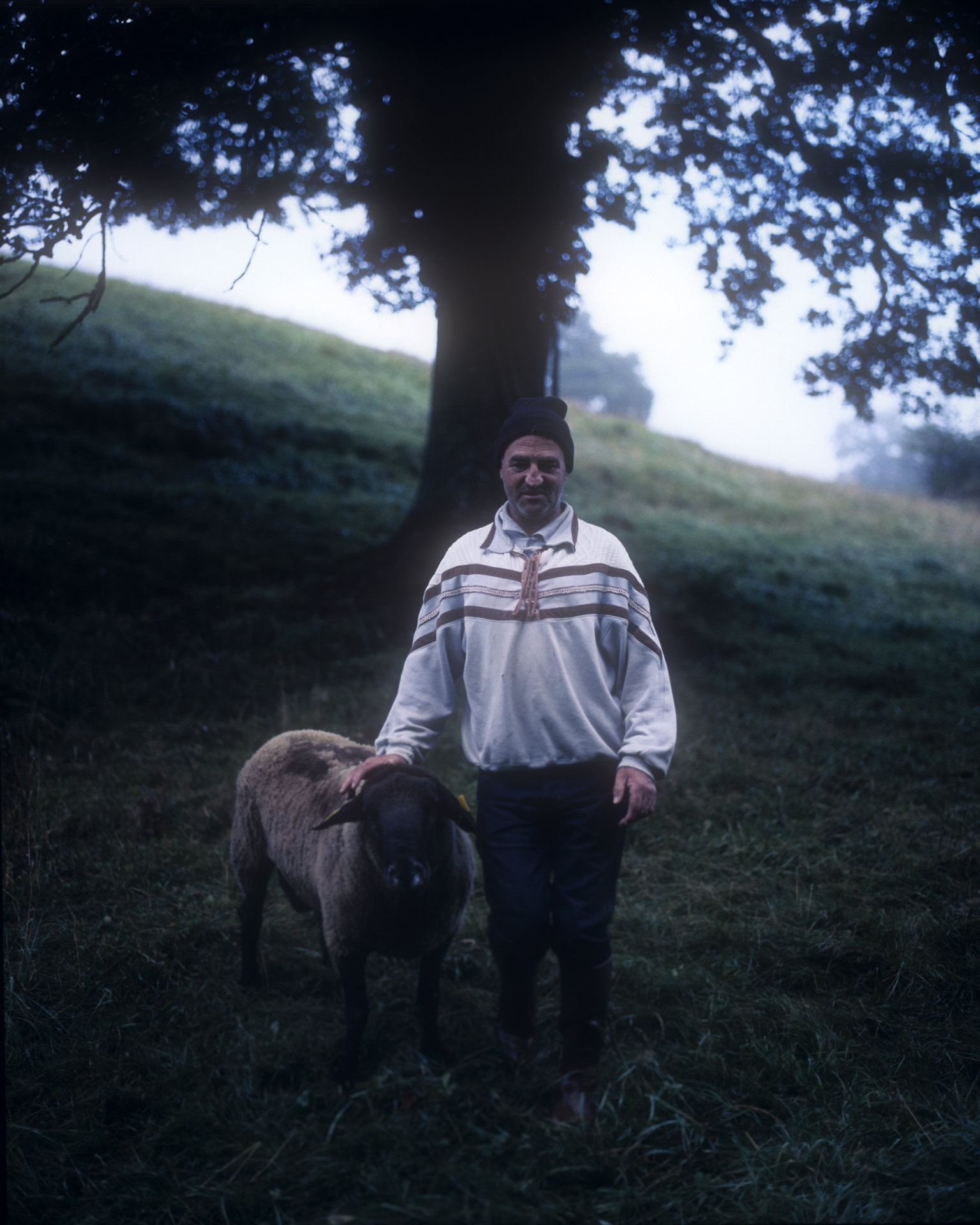
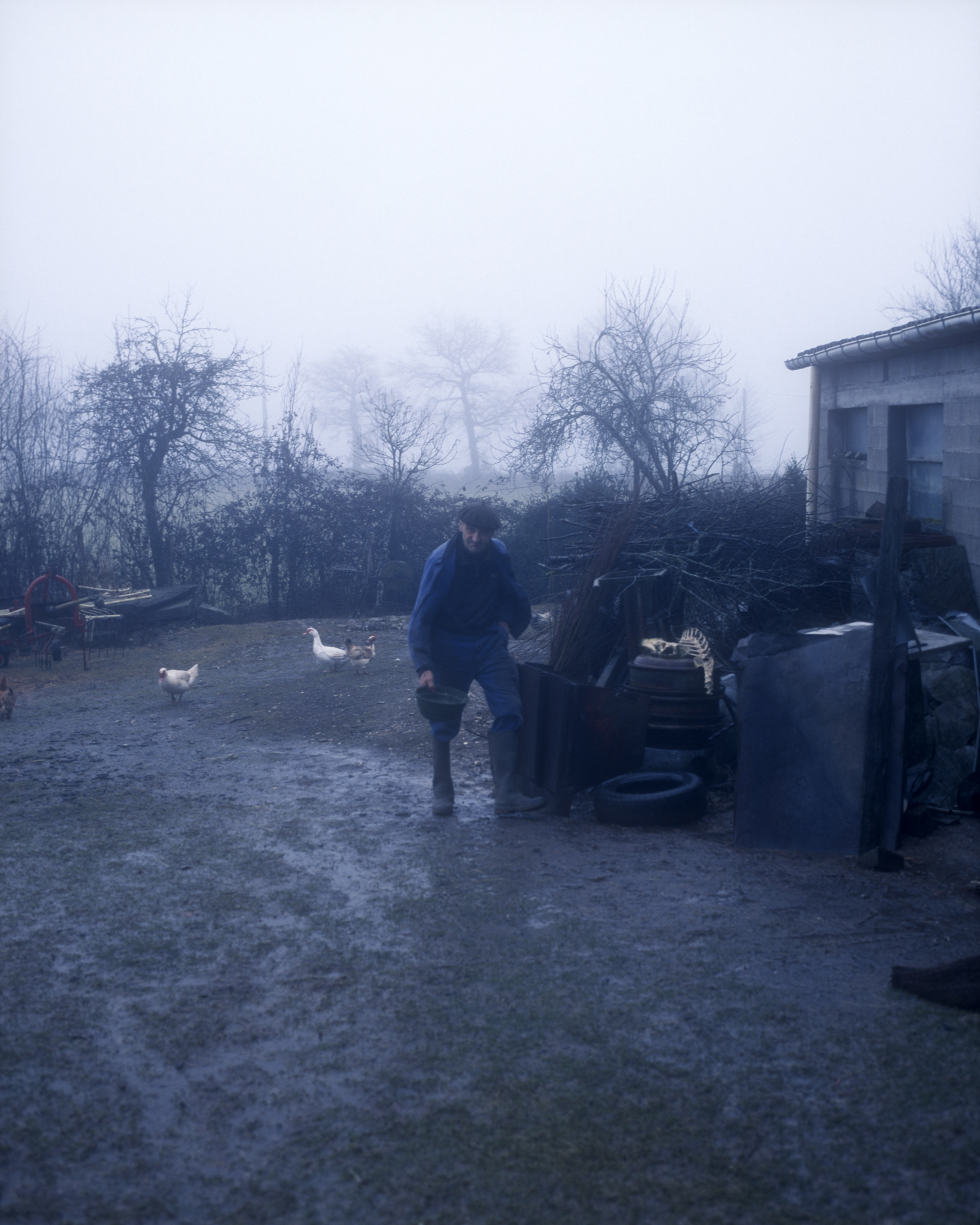
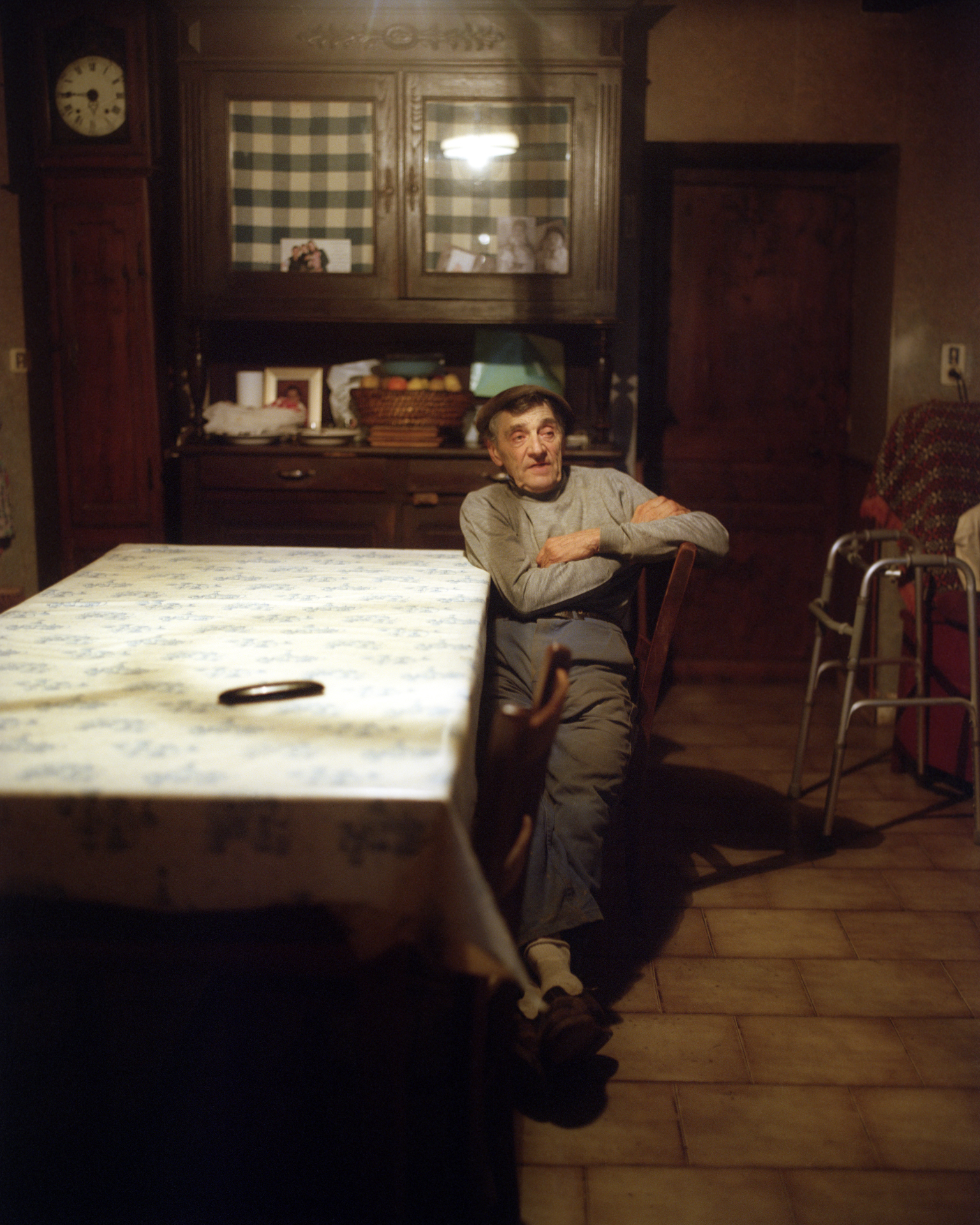
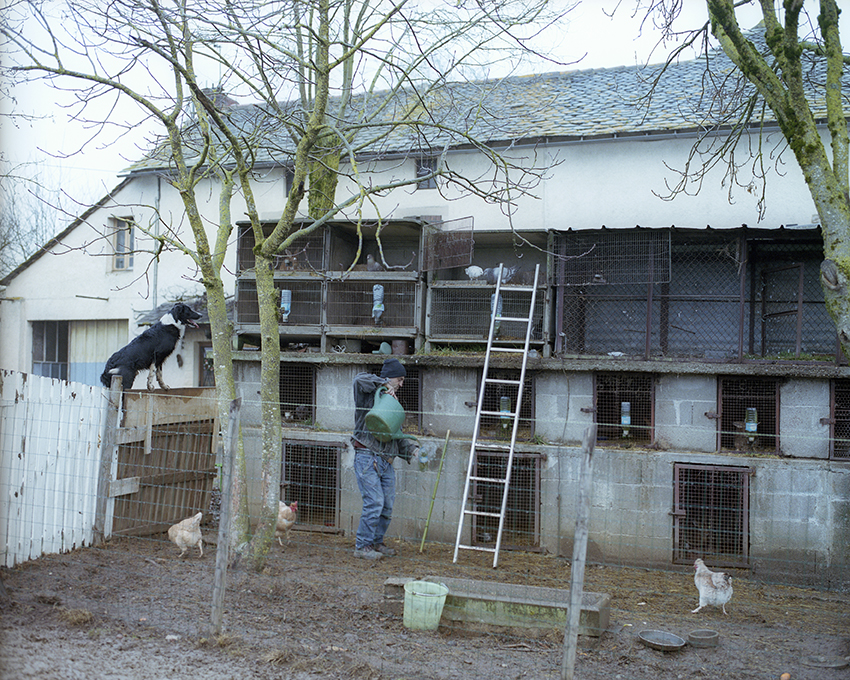
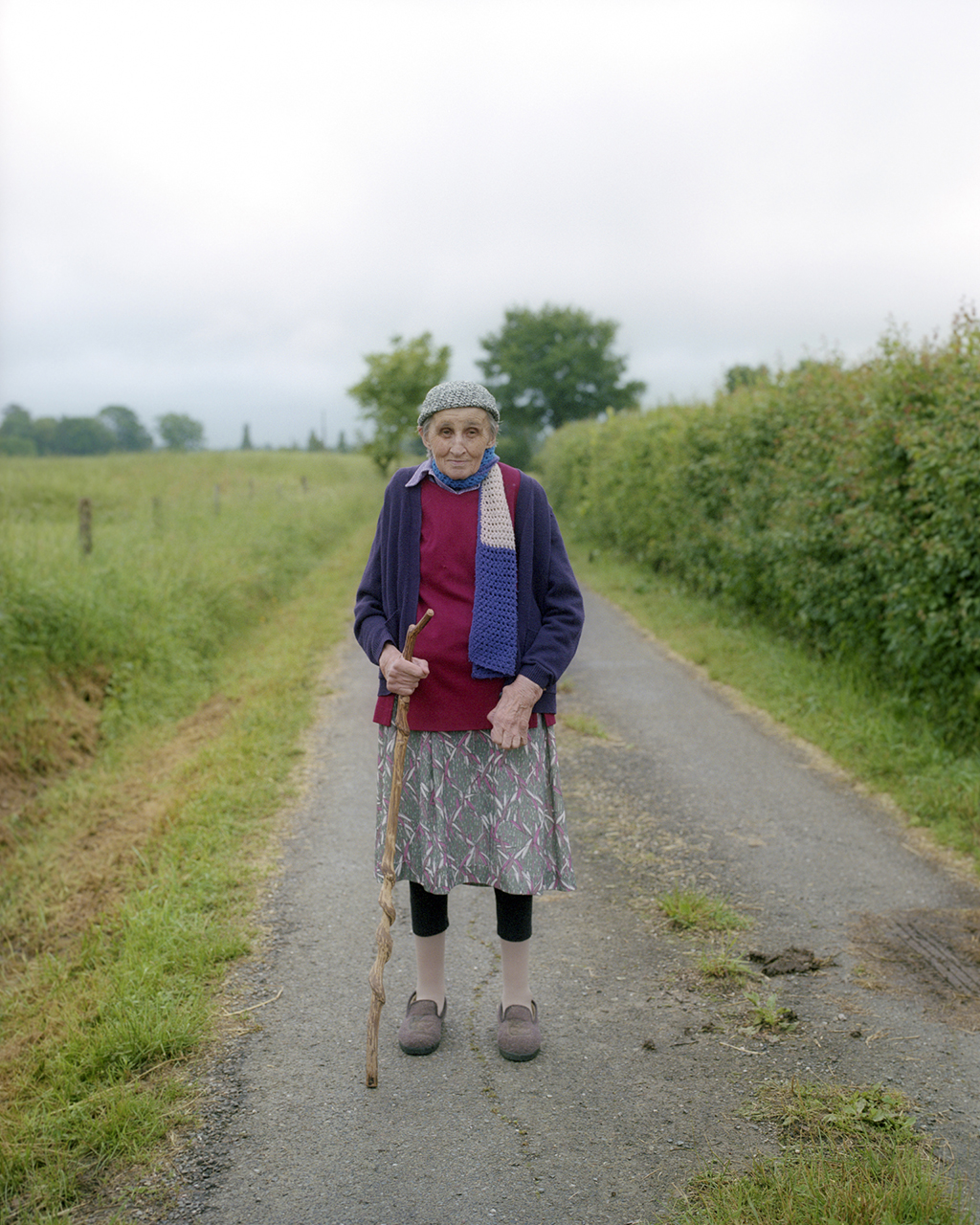
Louis et sa sœur vivent à La Croix de Cors, situé à Padiès, commune du département du Tarn. Ce sont les seuls habitants de ce lieu-dit. Non loin de là, à Carrade exactement, vit Gilbert Nègre, né en 1932, et au lieu-dit Champ d’Albi, à peine plus loin, vit Jean-Pierre Bouyssie, un « jeune » voisin, né en 1967 ainsi que Denise Massol, née en 1938 et décédée en 2018.
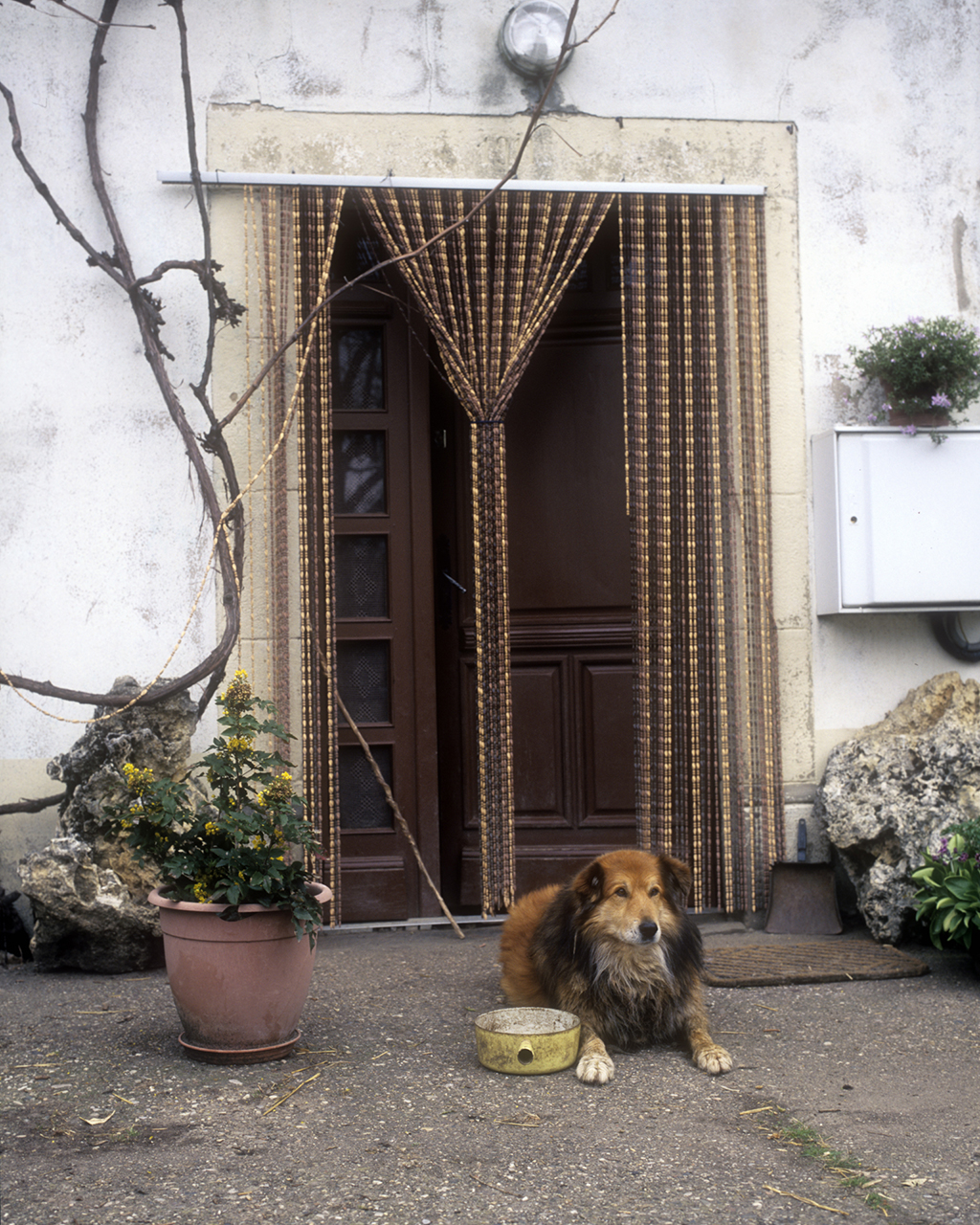
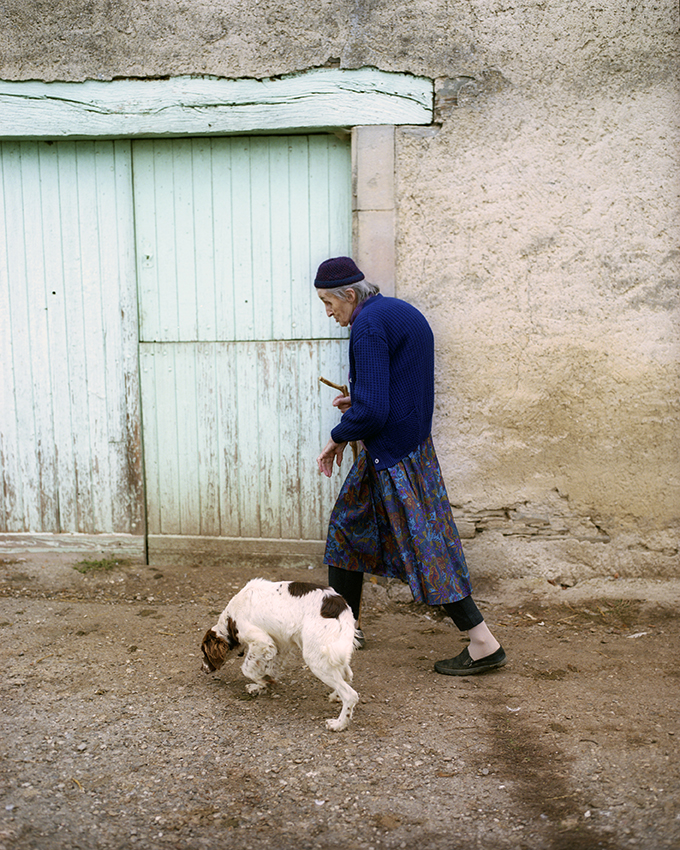
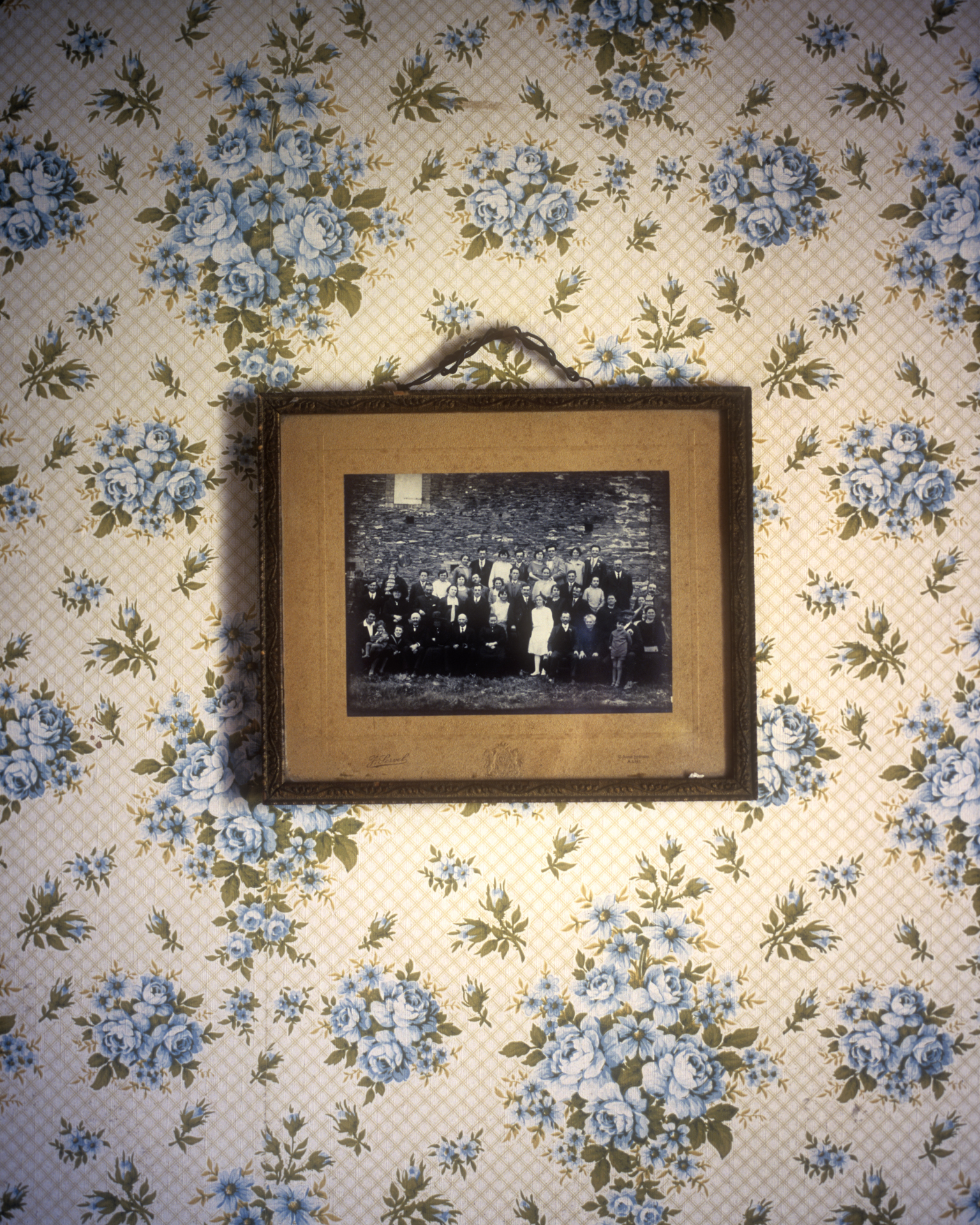
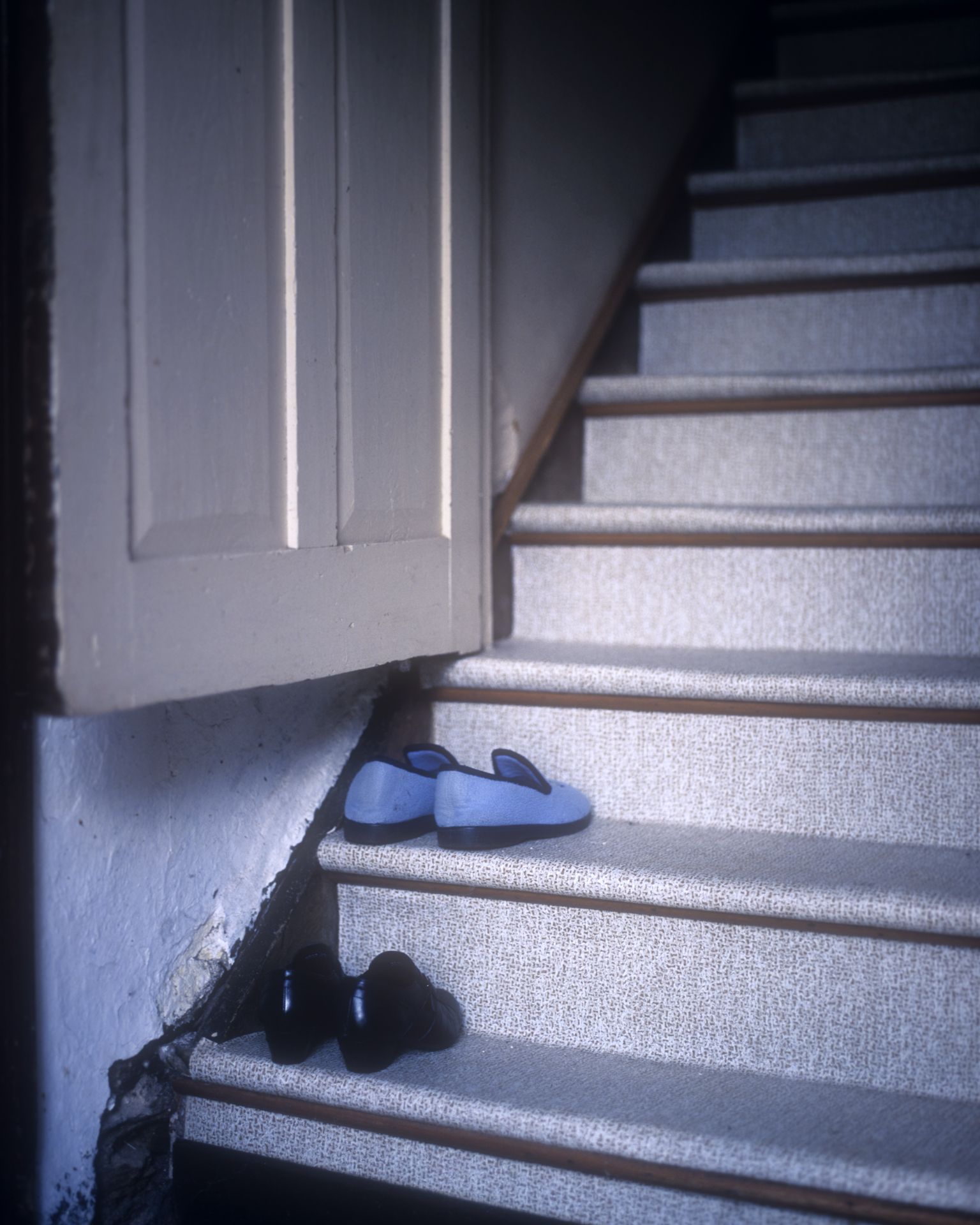
Tous ces lieux-dits, ces hameaux tels que celui de Ginals, où vivaient il y a encore quelque temps Odile Puech et son chien Dick, évoquent une même façon de vivre, emprunte d’autrefois.
Se souvient-on qu’il y a quelques décennies encore, plus de cent cheminées brûlaient à Padiès et l’école accueillait jusqu’à soixante-dix enfants. Un village était une société. Une multitude d’artisans peuplaient les campagnes, charrons, bourreliers, menuisiers, forgerons, maréchal-ferrant, sabotiers, tonneliers…
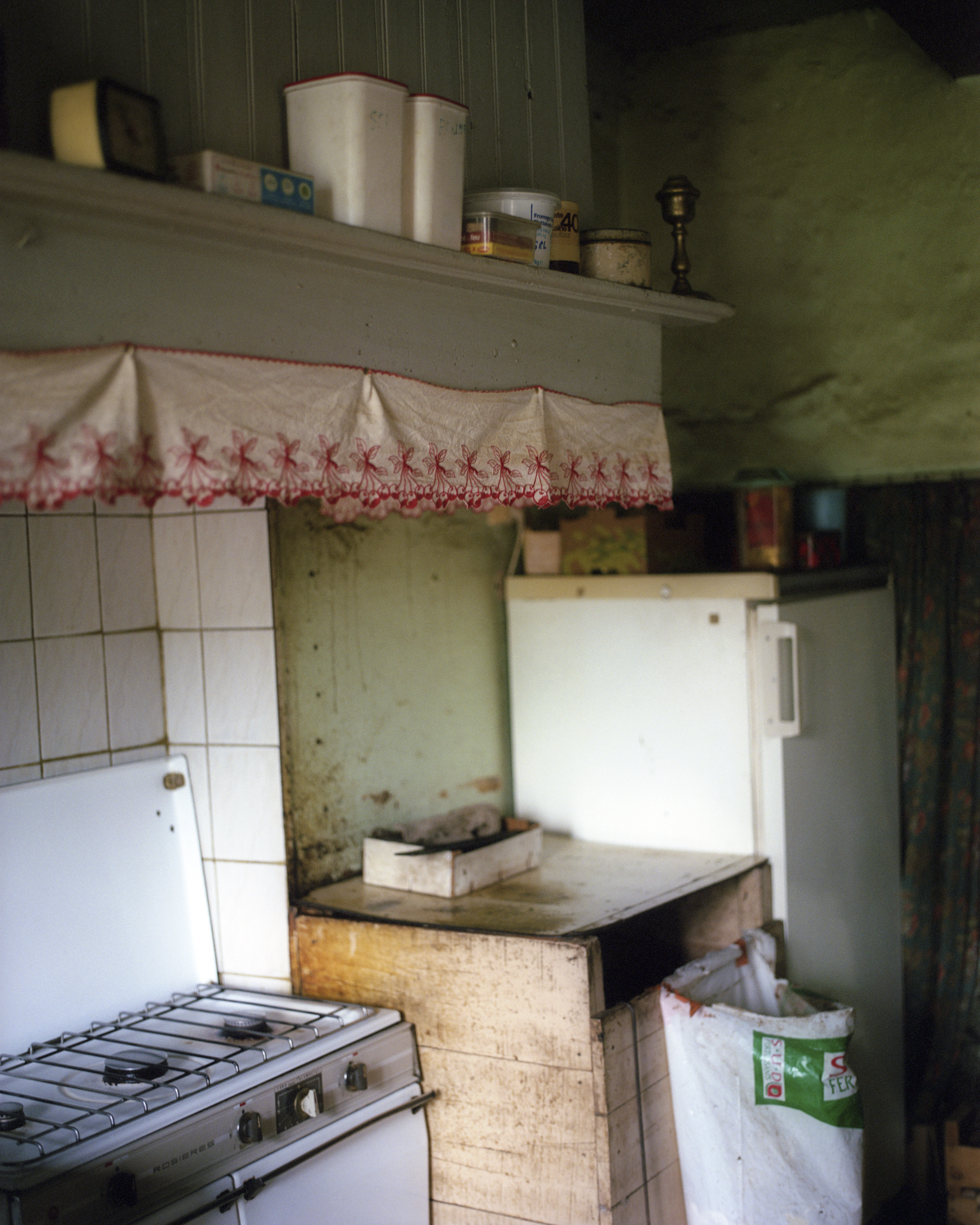
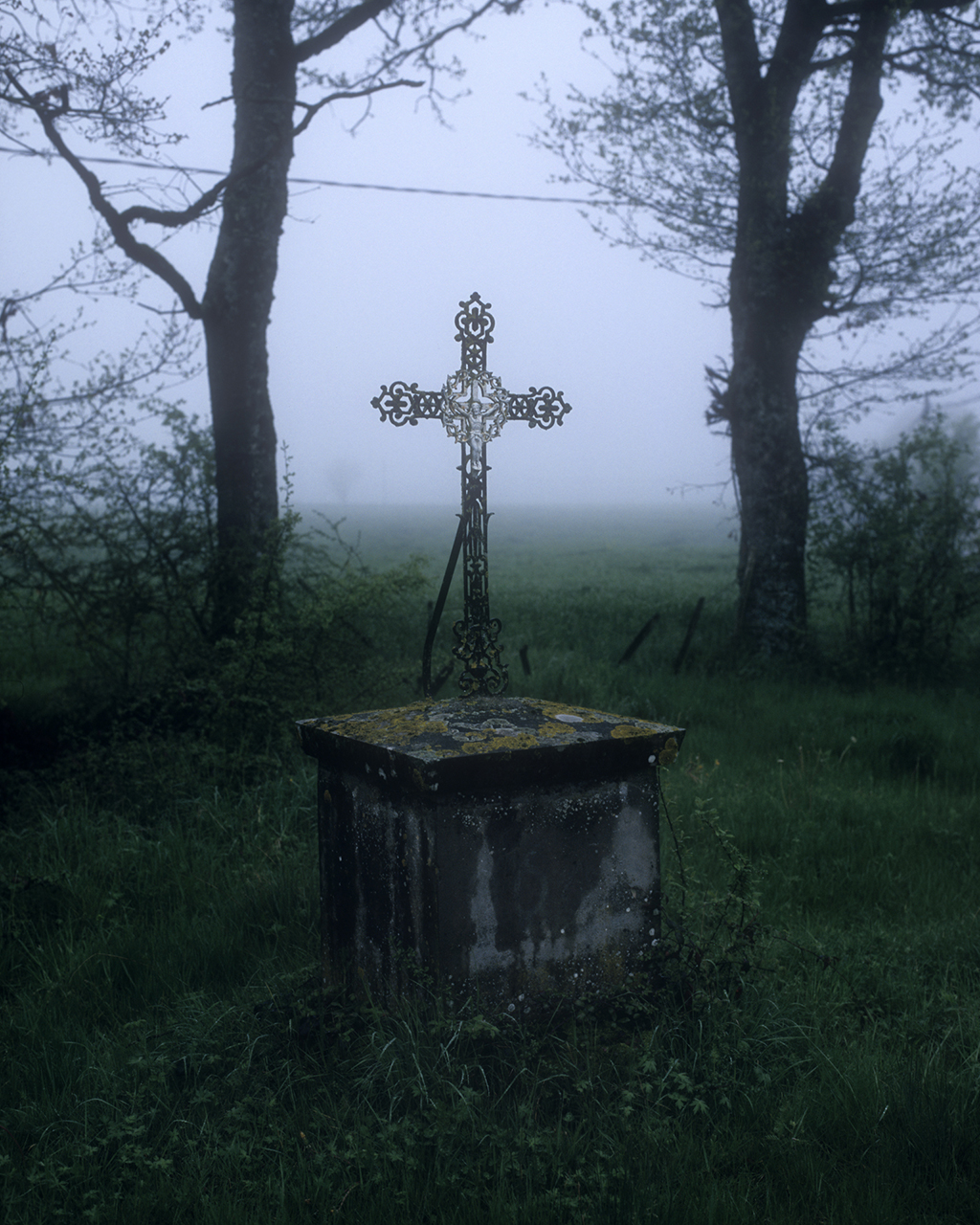
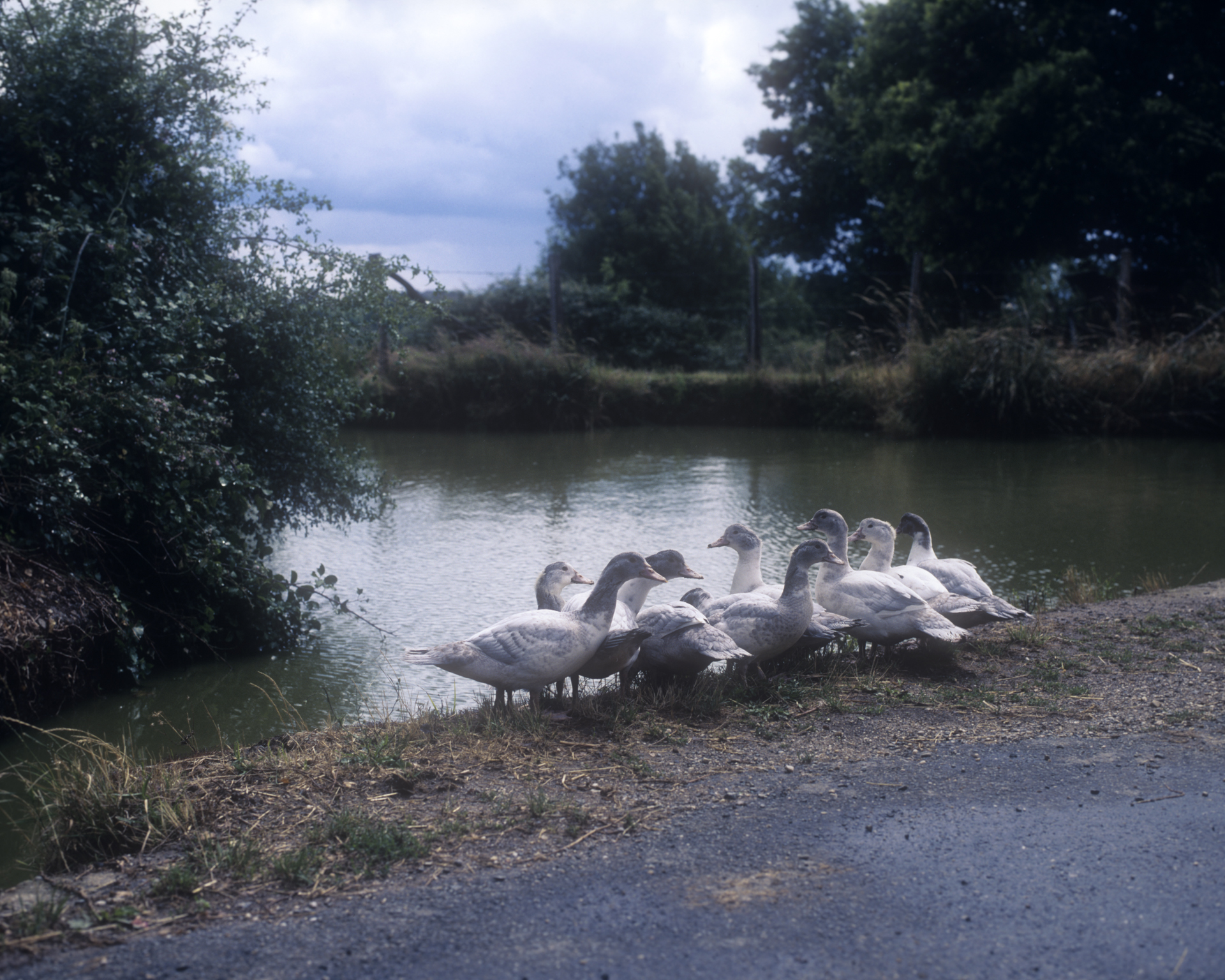
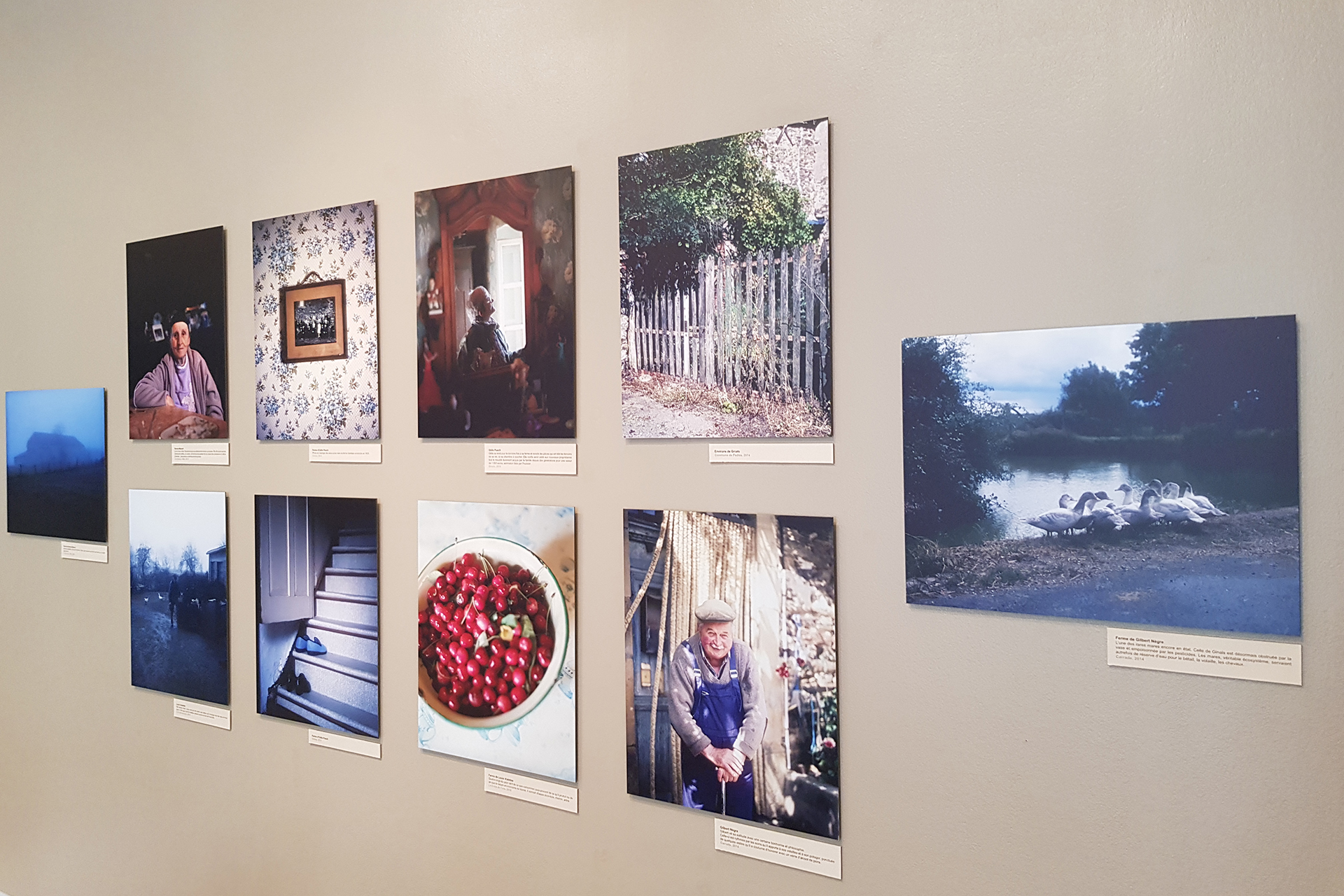
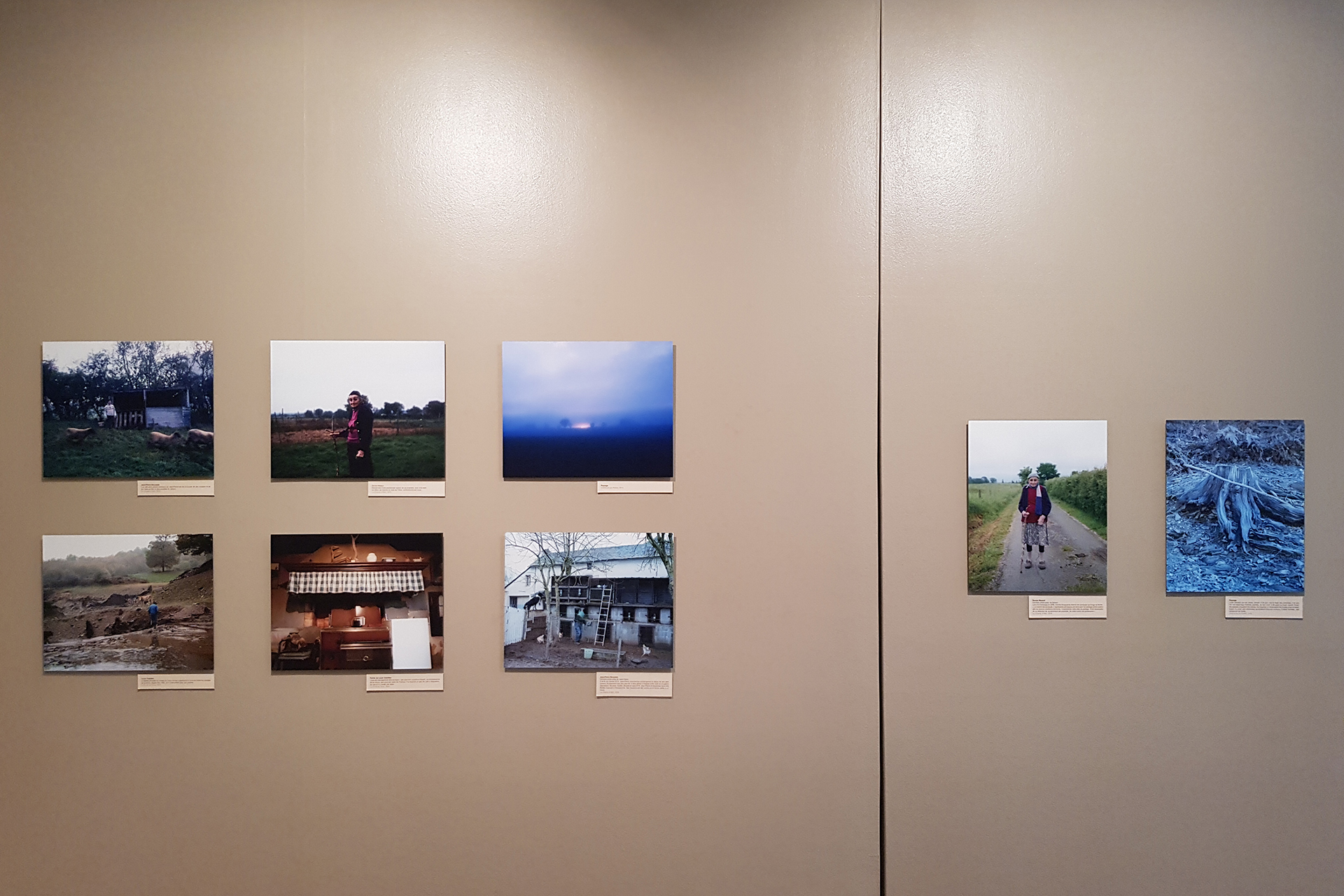
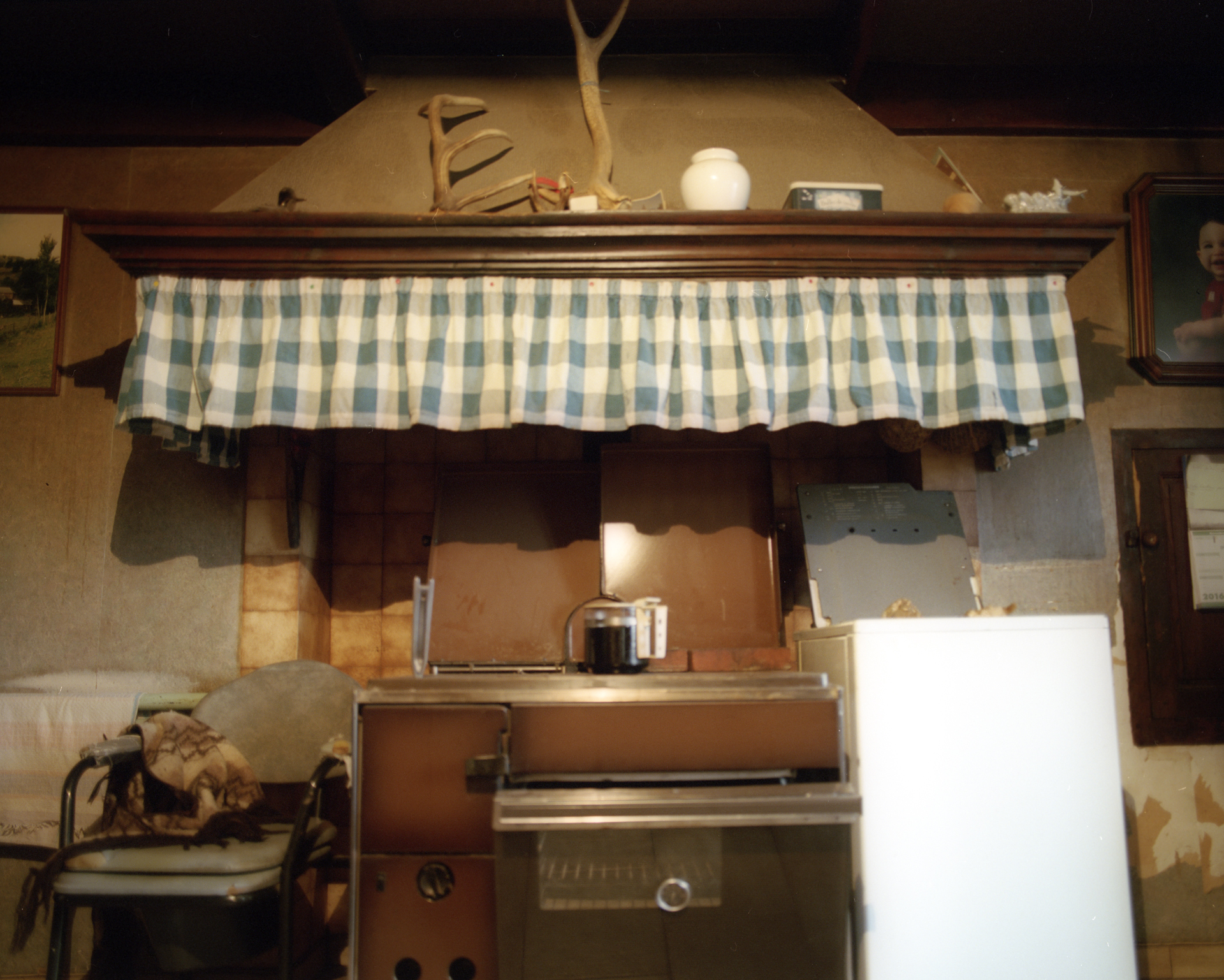
Ce sont aujourd’hui des petits bouts du monde qui témoignent de la fin d’un monde. Ce travail évoque le dépeuplement de ces lieux de vie, l’isolement et la solitude que cela induit.
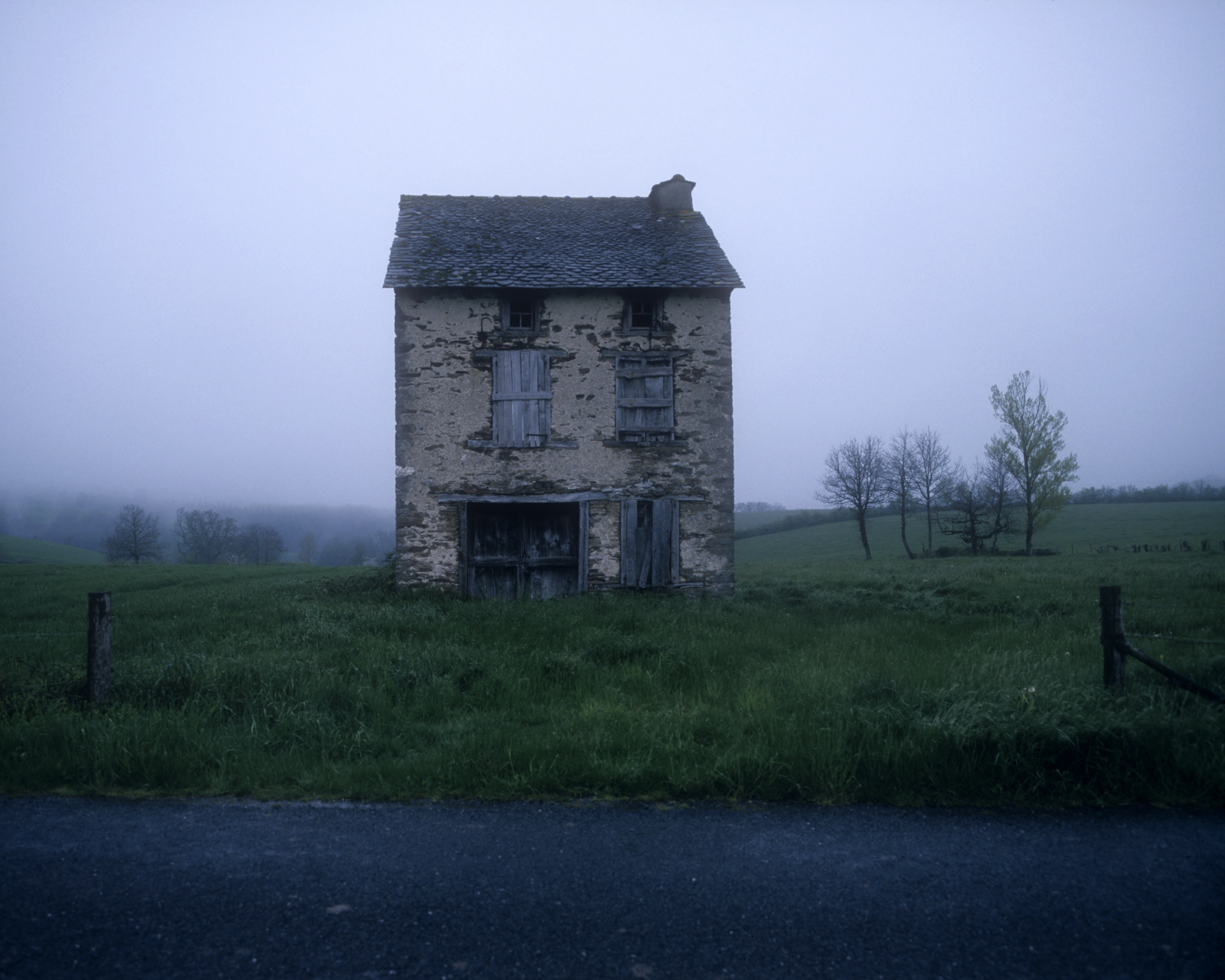
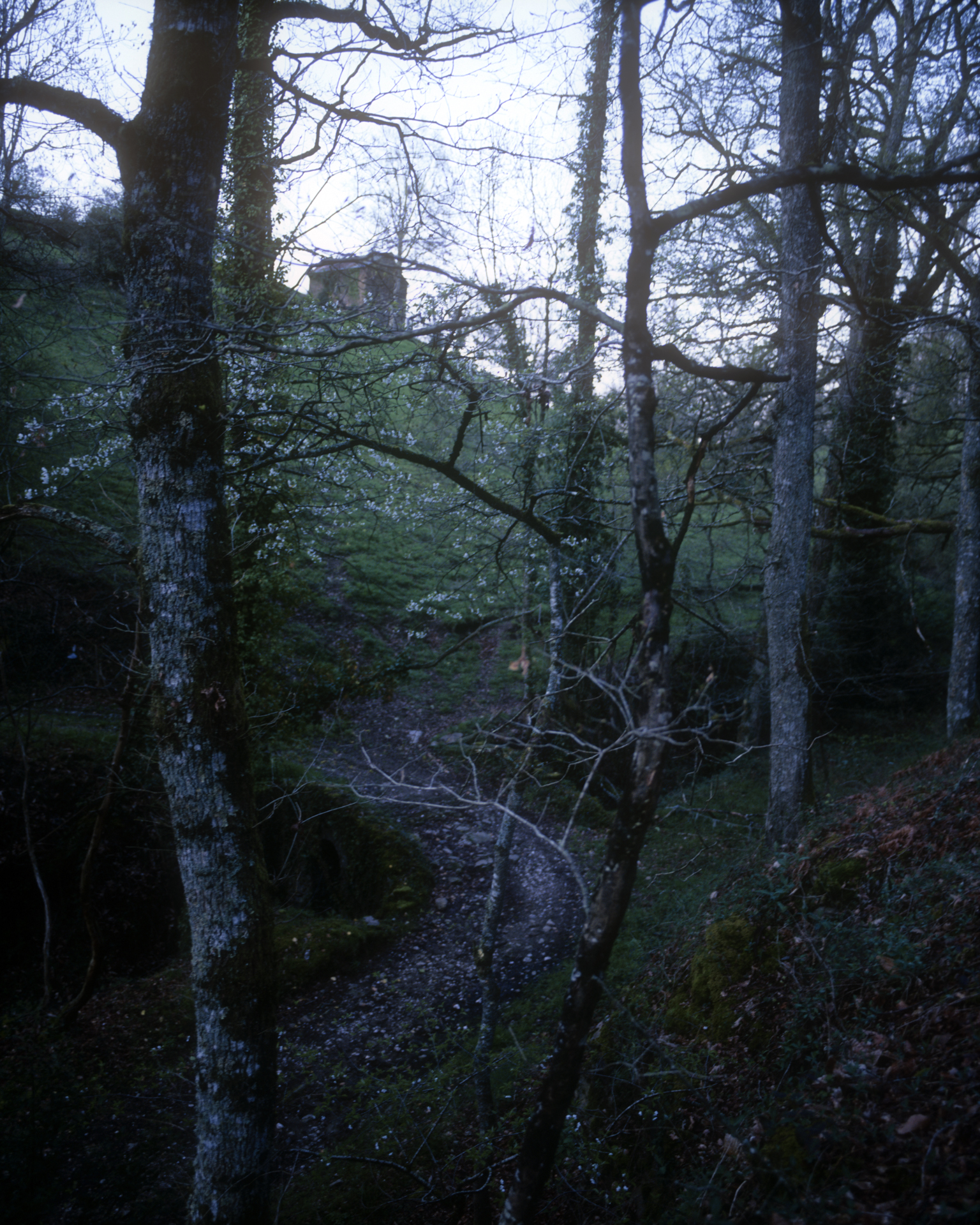
Ce sont les vestiges d’une ancienne ferme située à Padiès, commune du département du Tarn, qui apparaissent au mois de décembre lors de la baisse annuelle du niveau du Cérou, rivière qui constitue une réserve d’eau importante grâce au barrage de Saint-Géraud, construit en 1992. L’on aperçoit alors au travers des éboulis ce qui était un four à bois, encore en usage il y a soixante ans. Il est facile de s’imaginer la vie qui animait cet endroit. C’était hier.
« – Ici, se trouvait le potager – dit Louis… ».
Il désigne d’un geste de la main l’emplacement délimité par des murets encore intacts puis tournant légèrement son regard vers la droite indique ce qui reste de l’étable.
« – Un jour, un sabotier s’était arrêté dans cette demeure où vivaient mes parents dit-il. Je devais avoir 5 ans, c’était juste après la guerre. Mon père et lui étaient partis un matin pour choisir un arbre dans la forêt, c’était souvent du bois d’Aulne, car plus léger. Il fabriquait dans un même tronc tous les sabots pour la famille, en échange du gîte et de quelques sous. Quand il faisait froid, on balançait des braises dans les sabots pour les réchauffer…
Désormais on voit beaucoup de bois mort et d’arbres couchés dans les forêts. C’est désolant de voir l’état des chênes, des châtaigniers, de l’aulne. Les arbres crèvent. Avant on disait il est rude comme un chêne. »
« – Hier, l’on baptisait les vaches : Ponpon, la Rousselle, la Figuette. Maintenant elles sont juste un numéro, elles vont pas à l’abattoir, elles vont à la casse. On leur fout un coup de pétard et elles terminent sur un crochet. »
« – Hier, il fallait arpenter les chemins à travers bois pour se rendre à l’école, une gamelle de soupe à la main et quelques châtaignes au fond des poches. Il y avait plus de 100 cheminées qui brulaient à Padiès et l’école accueillait jusqu’à 70 enfants. Une multitude d’artisans peuplaient les campagnes, charrons, bourreliers, menuisiers, forgerons, maréchal-ferrant, sabotiers, tonneliers… Un village était une société, maintenant il est essentiellement constitué de maisons secondaires, de grandes exploitations agricoles et parfois d’anciennes demeures qui tombent en ruine. »
Louis vit désormais un peu plus haut à La Croix de Cors avec sa sœur. Ce sont les seuls habitants de ce lieu-dit. Non loin de là, à Carrade exactement, vit Gilbert Nègre, né en 1932, et au lieu-dit Champ d’Albi, à peine plus loin, vit Denise Massol, née en 1938 ainsi que Jean-Pierre Bouyssie, un « jeune » voisin, né en 1967. Tous ces lieux-dits, ces hameaux tels que celui de Ginals où vivaient il y a encore quelque temps Odile Puech et son chien Dick évoquent une même façon de vivre, empreinte d’autrefois. Ce sont des petits bouts du monde qui témoignent de la fin d’un monde. C’était hier.
Loïc Trujillo
IN THE PAST, RIGHT UP TO THE END
Louis and his sister live at La Croix de Cors, near Padiès, a town in the Tarn in southwestern France. They are the only people living here. Not far from there, at Carrade to be precise, lives Gilbert Nègre, born in 1932, and just a little further on, in a place known as Champ d’Albi, live his “young” neighbour – Jean-Pierre Bouyssie, born in 1967, and Denise Massol, born in 1938 and deceased in 2018.
All of these places, hamlets like Ginals, where Odile Puech and her dog Dick lived up until recently, evoke memories of a way of life that harks back to times past.
Who remembers that only a few decades ago more than a hundred fires burned in the hearths of Padiès and that there were as many as seventy children at the school? A village was a society in itself, and the countryside was teeming with various tradesmen such as wheelwrights, saddlers, carpenters, blacksmiths, cobblers, coopers….
Today, these are the little corners of the world that underscore the end of a world. This work looks at the exodus from these hitherto bustling centres of activity, and at the isolation and loneliness that ensue.
The ruins of an old farmhouse and outhouses located in Padiès, a place in the Tarn in southwestern France, appear every December when the Saint-Géraud dam, built in 1992, is opened to allow the level of the river Cérou to drop. Amongst the rocks you can make out the remains of a wood oven which was still running sixty years ago. It is easy to imagine how life must have been here. But that now is all in the past.
“– This is where the vegetable garden was…” says Louis.
He points to an area bounded by low stone walls which are still intact, and then, looking a little to the right, shows what it is left of the cowshed.
“– One day, a cobbler stopped by this house where my parents lived,” he said. “I must have been about 5 years old, it was just after the War. My father went off with him one morning to choose a tree in the forest, often it would be an alder as the wood is lighter. The cobbler would make clogs for the whole family out of the one trunk, in exchange for lodgings and a little money. During cold weather, we would put embers in our clogs to heat them up…
Nowadays you see a lot of dead wood and fallen trees in the forests. It is sad to see the state of the oak, horse chestnut and alder trees. The trees are dying off. In the olden days we used to say ‘he’s as hardy as an oak’”.
“– In the past, we gave the cows a name: Pompom, Ginger, Little Fig. Now they just have a number, they go off to the abattoir, to the scrap yard. A bullet in the head and they finish up on a meat hook.”
“– Back then, you went to school on foot by the tracks through the woods, with a bowl for soup in your hand and a few chestnuts in your pockets. More than a hundred fires burned in the hearths of Padiès and there were as many as seventy children at the school. The countryside was teeming with various tradesmen such as wheelwrights, saddlers, carpenters, blacksmiths, cobblers, coopers… A village was a society in itself, but now it is made up mainly of holiday homes, large farms and occasionally a few stately homes falling into ruin.”
Louis now lives a little higher up La Croix de Cors, with his sister. They are the only people living here. Not far from there, at Carrade to be precise, lives Gilbert Nègre, born in 1932, and just a little further on, in a place known as Champ d’Albi, lives Denise Massol, born in 1938, as well as Jean-Pierre Bouyssie, a “young” neighbour, born in 1967. All of these places, hamlets like Ginals, where Odile Puech and her dog Dick lived up until recently, evoke memories of a way of life that harks back to times past.
That was back then.
Loïc Trujillo